Patients come first, in every decision.
We test features against one question: would a parent searching at 11pm for a sick kid actually find this useful? If the answer is no, it doesn't ship.
About Trialytics
Trialytics began when our founder couldn't find clinical trials for his own son. Today we're a team of clinicians, engineers, designers, and researchers building the tool we wished had existed then — one that answers to the patients and clinicians we serve.
Our story
Trialytics started with a search that should have been simple. Nilu Kundagrami was trying to find clinical trials that might help his young son. He did what anyone would and went to ClinicalTrials.gov — then hit the same wall most families hit: thousands of studies, no clear sense of which ones were relevant, and eligibility rules written for researchers, not parents.
What stuck with him was his day job. Nilu was the inaugural Chief Data Officer at ARPA-H, the U.S. federal agency for advanced biomedical research, and had spent his career working with large, messy biomedical datasets. If he couldn't get a straight answer for his own family, the problem wasn't the families. It was the tools.
If someone who ran federal health data couldn't find a trial for his own kid, the tools were the problem — not the patients.
So he started building the one he wished he'd had: search that reads inclusion and exclusion criteria the way a clinician would, understands medical terms and how they relate, and explains in plain language why a trial might fit.
The first version was for his family. What you're using today is the version we believed other patients and clinicians deserved too — and it's now built and maintained by a team.
What we believe
We test features against one question: would a parent searching at 11pm for a sick kid actually find this useful? If the answer is no, it doesn't ship.
Trialytics translates dense eligibility criteria into language you can read, and shows its reasoning — including what's uncertain. It surfaces evidence to bring to your doctor; it doesn't replace one.
Your profile is used to match you to trials. That's it. We don't sell it to advertisers, use it to train models, or pass it to sponsors without your explicit consent for a specific trial.
We're not chasing the title of biggest health-tech startup. We're building a tool that works for the people who need it most — and earns trust by acting like it should be trusted.
The team
Trialytics is built by a team of clinicians, engineers, designers, and researchers — several of whom came to this problem the hard way, as patients and caregivers themselves. Hover or tap a photo to read more.
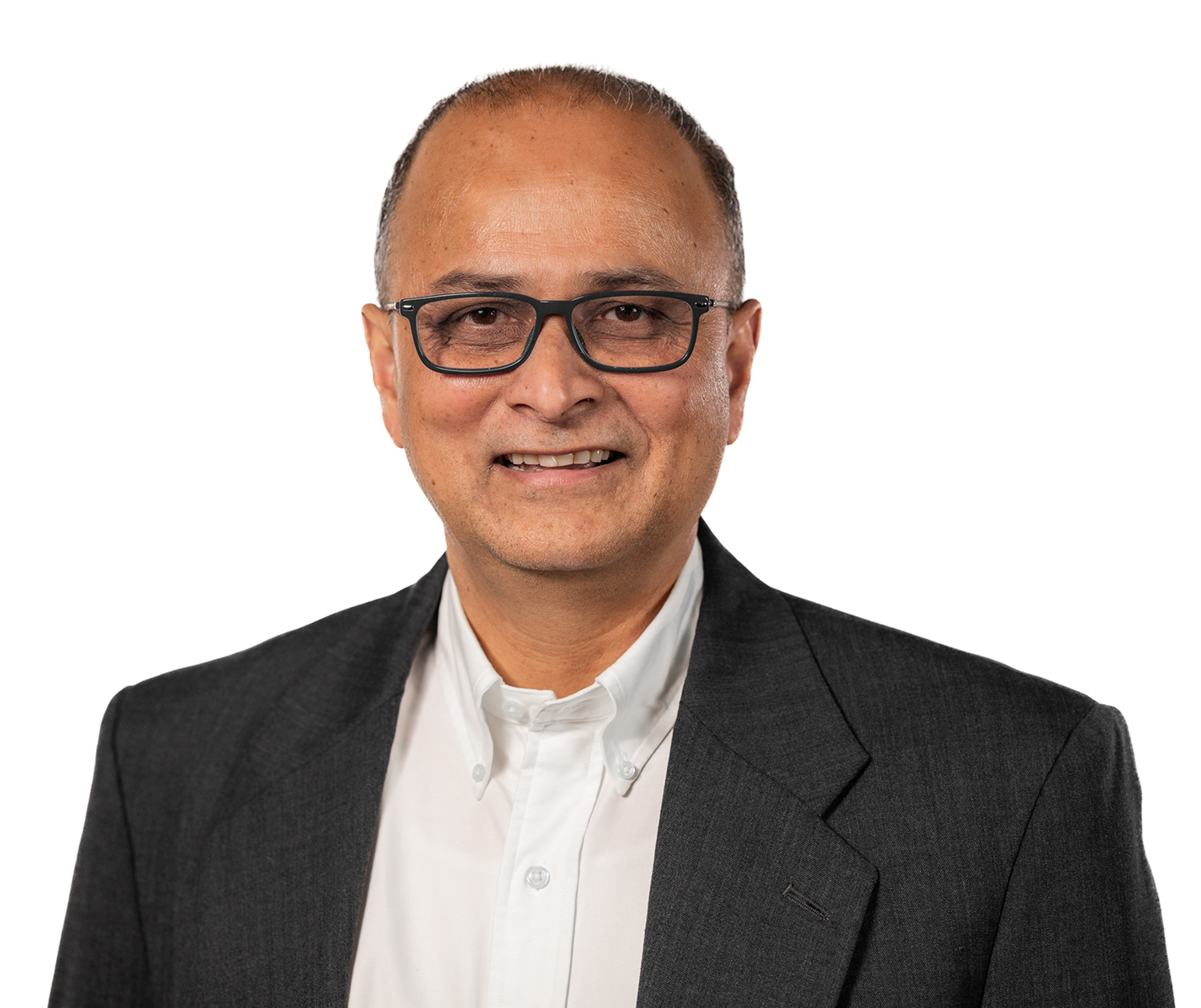
Founder & CEO
Nilu Kundagrami
Founder & CEO
Built the first version of Trialytics to find a trial for his own son. Former inaugural Chief Data Officer at ARPA-H.
Nilu built the first version of Trialytics to find a trial for his own son, then turned it into a platform. He leads product and engineering. Before Trialytics he was the inaugural Chief Data Officer at ARPA-H, the U.S. agency for advanced biomedical research, and is the inventor on a pending patent covering the core matching architecture.
Read full bio LinkedIn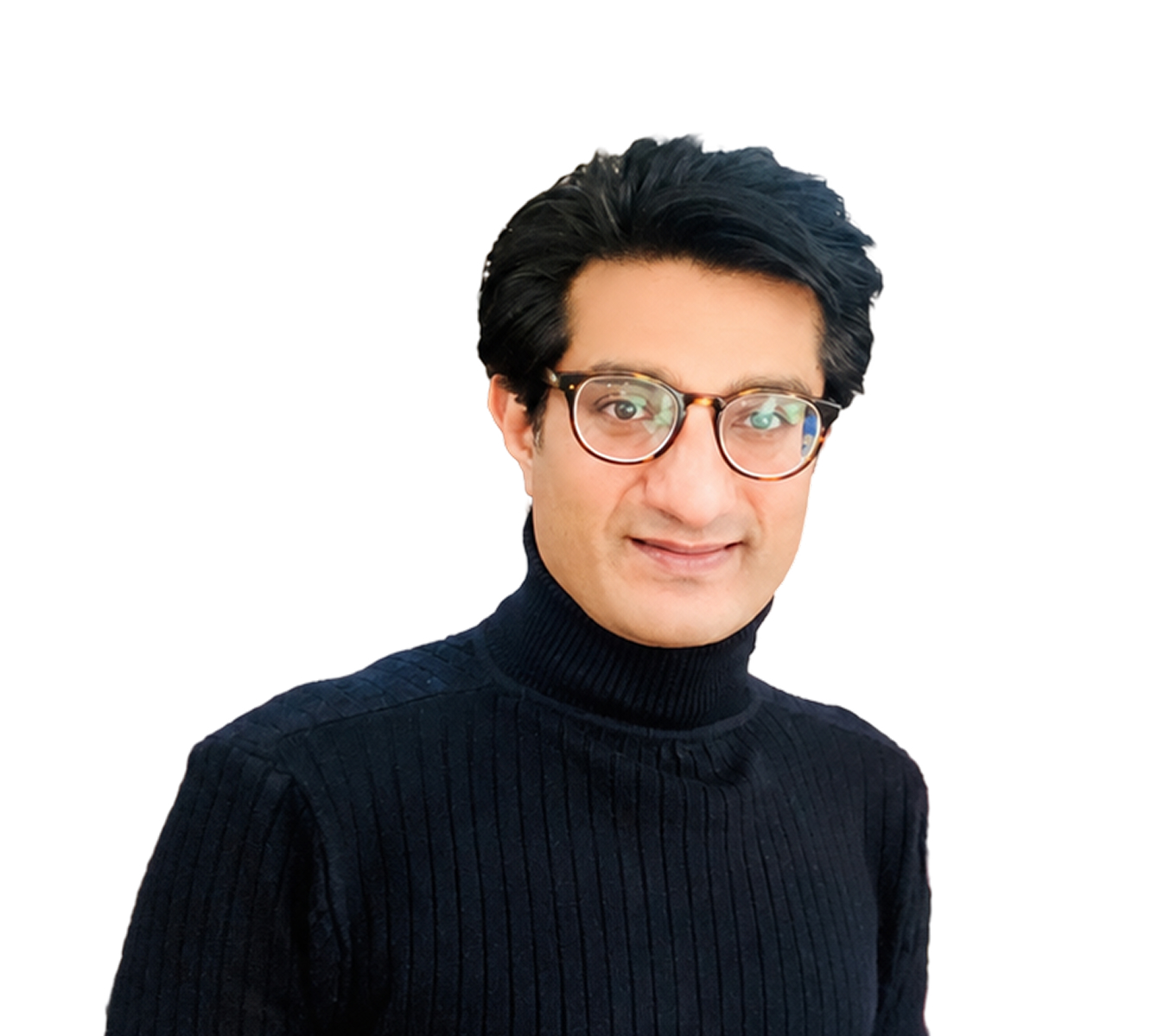
Chief Medical Officer
Neil Chatterjee, MD
Chief Medical Officer
A Columbia, Cornell, and Cleveland Clinic-trained physician who left practice to build healthcare technology.
A Columbia University, Cornell University, and Cleveland Clinic-trained physician, Neil left a thriving clinical practice to build healthcare technology. In 2018, he co-founded Scriptulate, a prescribing-safety platform, and now leads Trialytics’ clinical direction, ensuring the product reflects the realities of modern medical practice.
Read full bio LinkedIn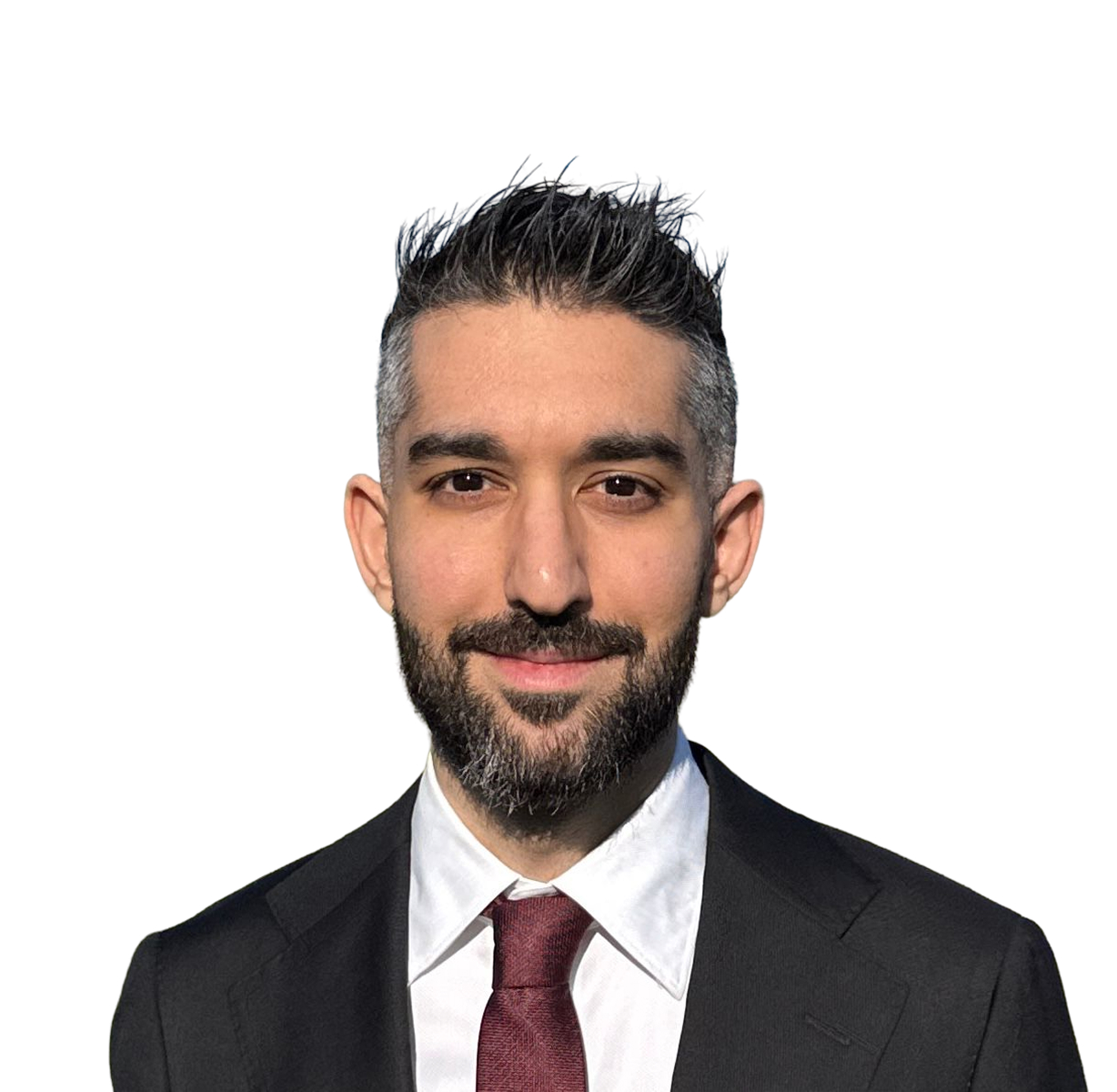
Engineering & Outreach
Bassel Al-Mulla
Engineering & Outreach
A Carnegie Mellon engineer who searched for trials during his own rare-disease diagnosis — and joined to make that path easier.
Bassel holds a master’s in Electrical & Computer Engineering from Carnegie Mellon. Soon after graduating, a wave of unexplained symptoms turned out to be a rare genetic disease, and he became all too familiar with the grind of searching for clinical trials. He joined Trialytics to make that path easier for the next person — firsthand experience paired with an engineer’s eye for the work.
Read full bio LinkedIn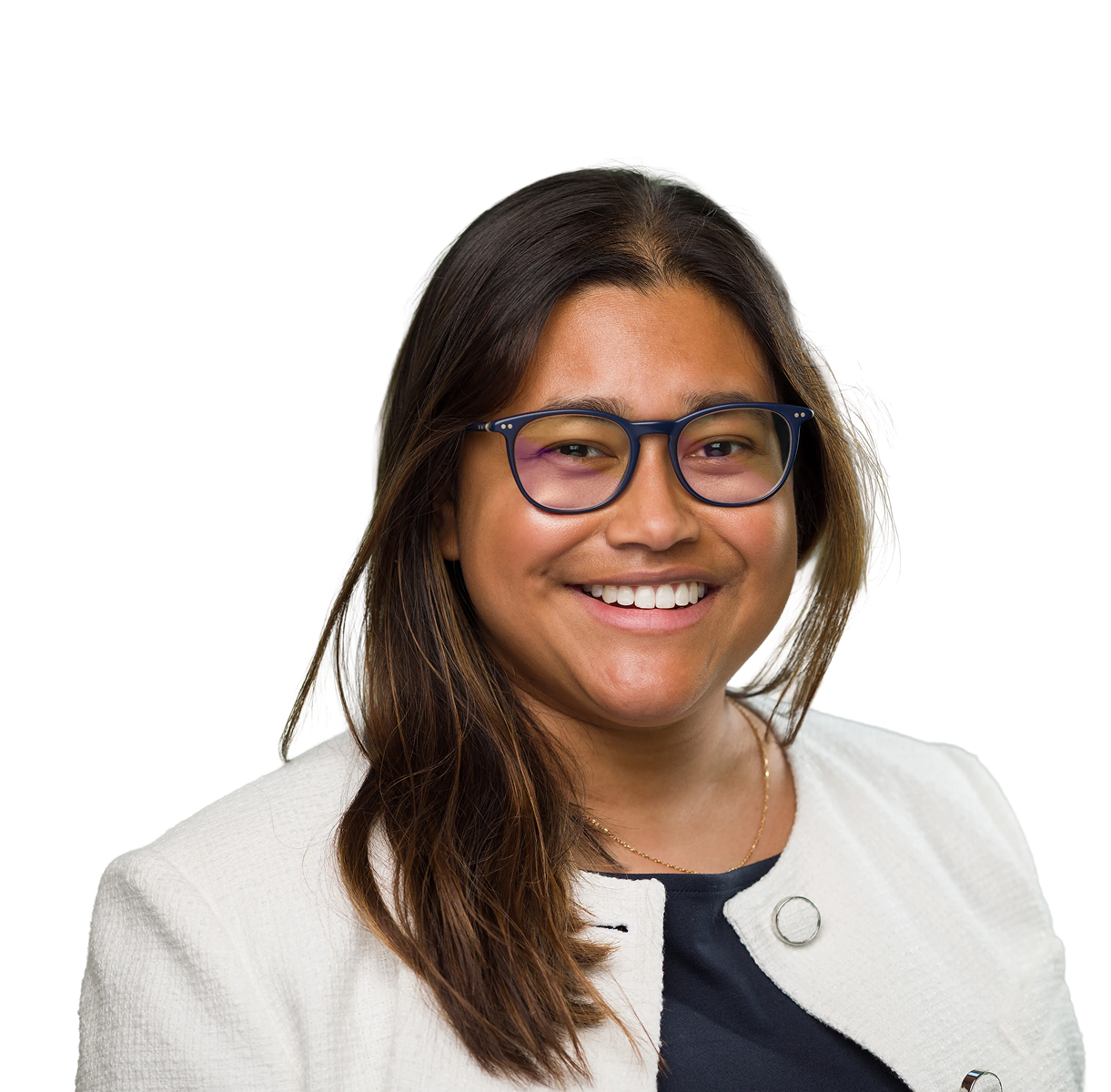
Marketing Strategy
Gayatri Das Gupta
Marketing Strategy
Life-sciences strategist who turns complex healthcare problems into solutions. MBA candidate at Dartmouth’s Tuck School of Business.
Gayatri advises life-sciences companies on turning complex healthcare problems into solutions. At Avalere Health she guided pharmaceutical companies and patient-advocacy groups through regulatory, policy, and commercialization strategy — work at the intersection of clinical innovation and the barriers patients face reaching it. She volunteers with the American Cancer Society’s CARES program and is pursuing her MBA at Dartmouth’s Tuck School of Business, where she’s a Center for Health Care Fellow.
Read full bio LinkedIn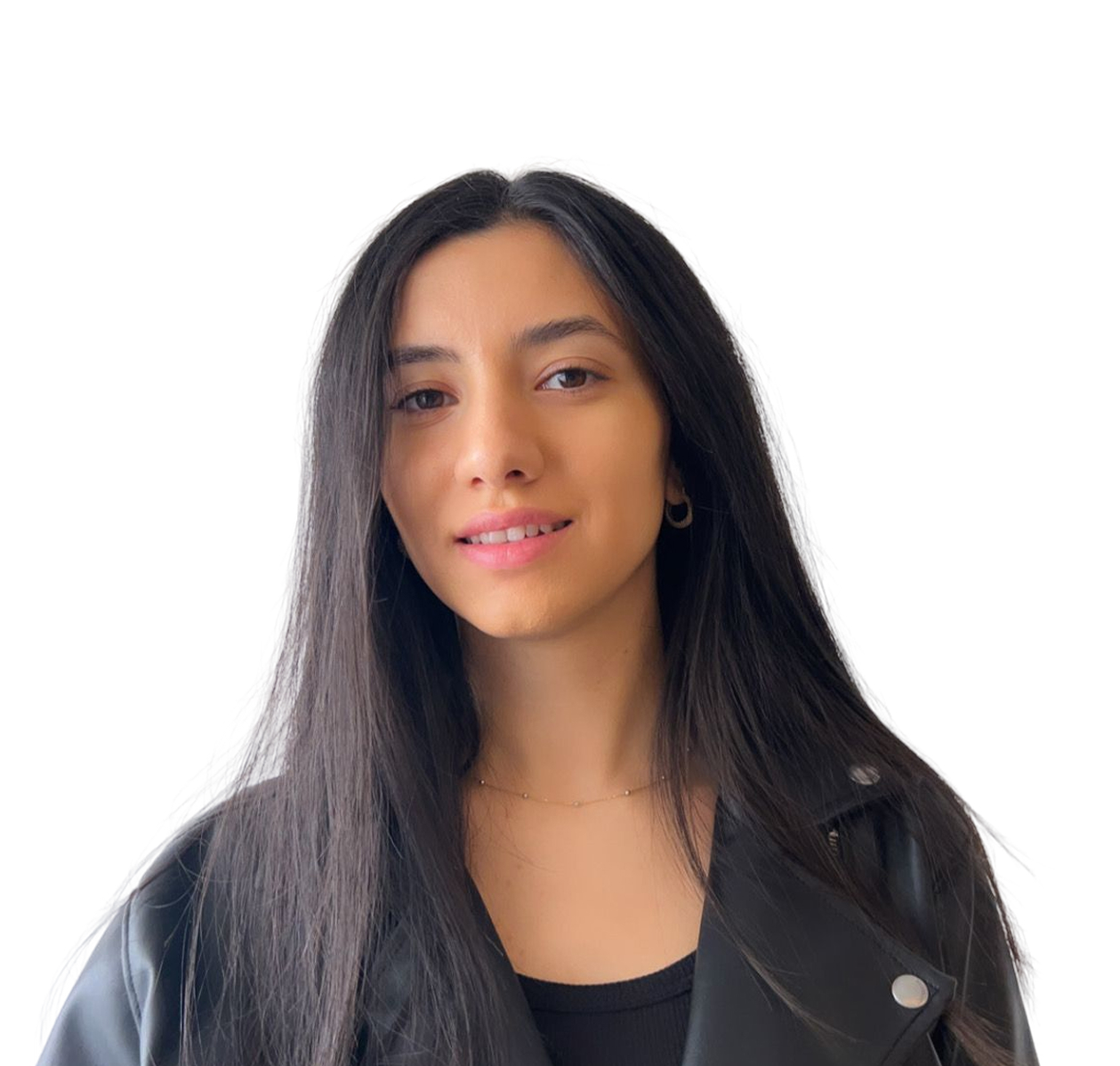
Product Designer
Alina Nazaryan
Product Designer
Designs the patient and clinician experience, turning dense eligibility data into interfaces that feel effortless.
Alina designs the patient and clinician experiences, turning dense eligibility data into interfaces that feel effortless. Her background spans UI/UX and interior design — a sense of space, flow, and how people move through an environment that she brings to every screen.
Read full bio LinkedIn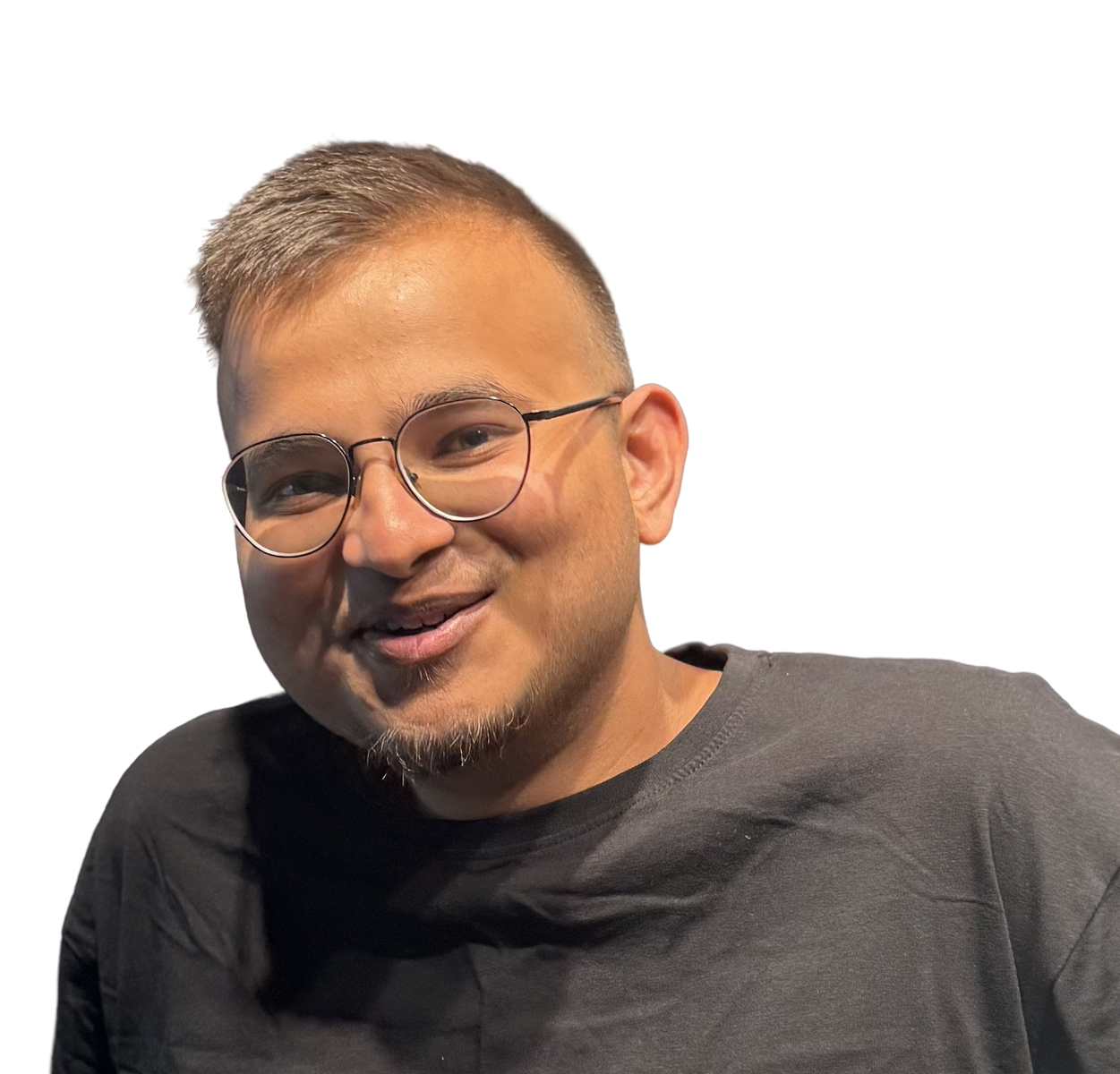
Data Science
Sankha Ghosal
Data Science
Building Trialytics’ knowledge graph — the structured backbone connecting conditions, biomarkers, and trials.
Sankha is building Trialytics’ knowledge graph — the structured backbone connecting conditions, biomarkers, and trials. An MS Data Science candidate at the University of Maryland, he cares as much about the pipelines holding the data together as the analysis on top: clean ingestion, consistent transformations, and results that hold up under scrutiny.
Read full bio LinkedInWant to help?
We're a focused team with a big mission. If you're a clinician, engineer, designer, or patient advocate who wants to pitch in, we'd love to hear from you.
Get in touch →Our model
Patients and families never pay to use Trialytics — searching, matching, and eligibility checks are free.
We earn revenue from the institutions that benefit from better, faster trial matching — not from patients, and never from selling patient data.
Clinician tools
Software that helps clinicians and research sites match their own patients to trials faster and more accurately.
Biomedical landscape analysis
Knowledge-graph analytics and landscape analysis for research teams and sponsors working within a disease area.
Permissioned referrals
When a patient explicitly opts in for a specific trial, we may earn a referral — never without that consent.
We never sell patient data. Not to advertisers, not to sponsors, not to anyone. Patient-first isn't a slogan — it's the business model.
The best way to understand what we're building is to use it. Searching is free, anonymous, and takes about 30 seconds.